At the end of January, the Office of Inspector General for the Department of Health and Human Services (“HHS-OIG”) released its 2014 Work Plan.  The Work Plan summarizes new and ongoing reviews and activities that HHS-OIG plans to pursue with respect to HHS programs and operations in the coming year. 
 

Senior HHS-OIG officials outlined

Farrell Fritz partner Lou Vlahos recently issued an important advisory report addressing the New York Nonprofit Revitalization Act of 2013 (the “Act”). Nonprofit corporations in New York will need to comply with many of the Act’s provisions by July 1, 2014.

Major new requirements include:

-the adoption of conflict of interest and whistleblower policies;

-creation

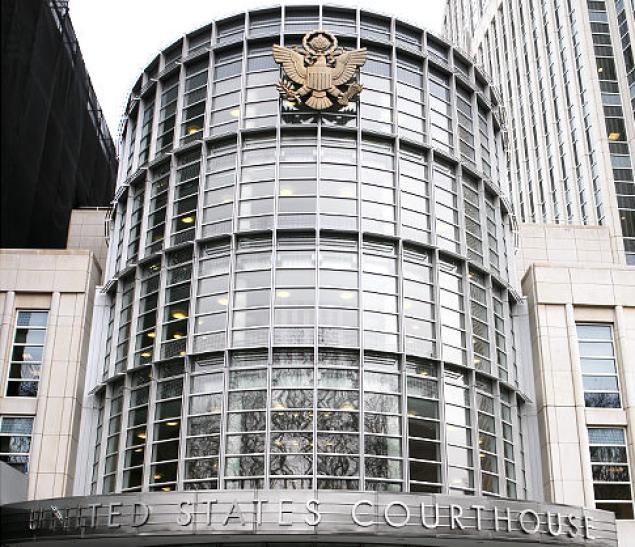
Federal criminal defense practitioners will be interested in United States v. Barry Cohan, an EDNY decision addressing the priority of overlapping forfeiture and restitution remedies in a health care plea agreement.

In Cohan, the defendant pled guilty to health care fraud and identity theft, and was subject to a $600,000 forfeiture and $607,186

In Matter of Koch v. Sheehan, the New York Court of Appeals held that the Office of Medicaid Inspector General (“OMIG”) may remove a physician from the Medicaid program based solely on a consent order between the physician and the Bureau of Professional Medical Conduct (“BPMC”), even if BPMC does not suspend the physician’s

Alternatives to the hospital emergency room and primary care doctor’s office are opening in strip malls and other retail locations throughout the country. New York State is no exception. In an effort to provide oversight for these walk-in clinics, New York’s Public Health and Health Planning Council (PHHPC) has recommended regulations for these facilities.

          In March 2013, the Second Circuit certified to the New York Court of Appeals the issue of whether a medical corporation may be liable for the unauthorized disclosure of medical information, when the employee responsible for the breach was not a physician and was acting outside the scope of her employment (see post). 

Earlier this week, in Roman Catholic Archdiocese of New York v. Sebelius, U.S. District Judge Brian Cogan in the Eastern District of New York permanently enjoined the government from enforcing regulations mandating coverage for contraceptive and sterilization services by religious organization health plans.

The Patient Protection and Affordable Care Act requires health insurance plans

In U.S. ex rel. Fair Laboratory Practices Associates v. Quest Diagnostic, Inc., the Second Circuit upheld the dismissal of a health care fraud qui tam action because of ethical violations by one of the relators, who was formerly general counsel of defendant Unilab Corporation.

The former general counsel, along with two other former employees

On October 2, 2013, New York City Mayor Michael Bloomberg signed into law the Pregnant Workers Fairness Act (the “Act”). The Act, which amends New York City’s Human Rights Law, prohibits employers from discriminating against workers who are pregnant or have a medical condition related to pregnancy or childbirth, and requires employers to provide a

(This post was authored by Heather Harrison, an associate in the Labor & Employment practice at Farrell Fritz)

Although key provisions of the Patient Protection and Affordable Care Act (ACA) have been delayed until 2015, one important notice requirement is just around the corner. By October 1, 2013, virtually all employers must provide